
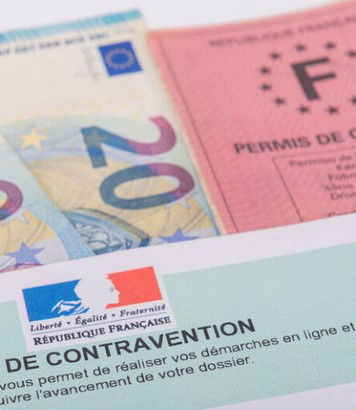
Traffic fines are common in France, whether for speeding, illegal parking, or using a mobile phone while driving. However, if you believe a fine is unjustified or there was a procedural error, you have the right to contest it. Understanding the process and your legal rights can significantly improve your chances of success.
In this article, we will explore the types of fines, the steps to contest a ticket, and how a traffic law attorney can help you fight an unfair penalty.
Types of Traffic Fines in France
Traffic violations are classified into three main categories based on severity and legal consequences:
Standard Fixed Fines (Amendes Forfaitaires)
These fines apply to minor infractions such as:
Moderate speeding (e.g., exceeding the limit by less than 20 km/h).
Failure to wear a seatbelt.
Illegal parking.
Key Features:
- The fine is a fixed amount.
- If paid quickly (within the reduced deadline), the amount is lowered.
Increased Fixed Fines (Amendes Forfaitaires Majorées)
If a fine is not paid within the deadline, it automatically increases. The authorities apply a surcharge, making it more expensive for late payments.
Contravention Fines (1st to 5th Class Violations)
Infractions are ranked from 1st to 5th class based on their severity:
ClassExample of InfractionsPossible Penalties
- 1st ClassMinor parking violationsSmall fine
- 2nd ClassDriving without headlights at nightFine up to €35
- 3rd ClassSpeeding (less than 20 km/h over the limit)Fine up to €68
- 4th ClassUsing a phone while driving, speeding (20-50 km/h over the limit)Fine up to €135, points deduction
- 5th ClassSerious speeding (+50 km/h over limit), hit-and-runLarge fine, license suspension, possible jail time
Higher-class violations may also result in:
- License suspension or revocation.
- Mandatory driving courses.
- Additional legal actions in severe cases.
How to Contest a Traffic Fine in France
If you believe your fine is unjustified, follow these key steps to formally contest it.
Verify the Validity of the Infraction
Before contesting, carefully review the details of the fine.
Key Points to Check:
Is the offense correctly described? (date, location, vehicle details).
Were you actually driving the vehicle? Under Article L121-1 of the French Highway Code, the vehicle’s registered owner is responsible for violations unless they prove they weren’t the driver (e.g., if the car was stolen or used without permission).
Were there procedural errors? (misidentified vehicle, incorrect radar calibration, missing road signs).
If any of these elements are incorrect or unclear, you may have valid grounds for a contestation.
Submit a Formal Contestation
If you identify an error or dispute the infraction, you must file a written claim.
Important Deadlines:
For a standard fixed fine: 45 days from the fine issuance date.
For an increased fine: 30 days from the fine notification date.
How to Send Your Contestation
✔ Send a registered letter (with acknowledgment of receipt) to the authority indicated on the fine.
✔ Clearly explain why you dispute the fine, referencing legal grounds if applicable.
✔ Provide supporting evidence, such as:
- Witness statements.
- Photographs proving incorrect signage.
- Technical reports (e.g., radar calibration issues).
Legal Reference: Under Article 530-1 of the French Code of Criminal Procedure, your letter must explicitly state that you request the cancellation of the fine.
Procedural Errors: A Common Reason for Cancellation
Many fines can be overturned if there was a procedural mistake. Common procedural errors include:
✔ Misplaced or missing traffic signs: If the area where you were fined was not properly marked, the fine may be dismissed.
✔ Radar calibration issues: If the speed camera was not properly maintained or recently verified, the measurement could be invalid.
✔ Incorrect officer report: If a police officer misidentified your vehicle or location, you may dispute the fine.
📌 Legal Reference: Article L130-9 of the Highway Code states that irregularities in signage or radar calibration may justify a fine cancellation.
Taking Legal Action: Appealing to a Court
If your contestation is rejected, you have the right to escalate the case to a court of law.
Filing an Appeal with the Police Court
If your administrative challenge is denied, you can:
Take the case to the Tribunal de Police (Police Court).
Present your arguments, either personally or through a lawyer.
Request a judge to examine procedural issues, faulty evidence, or exceptional circumstances.
Important:
- The judge can decide to reduce, cancel, or confirm the fine.
- If you lose, you may have to pay court costs.
Tip: If your fine involves high penalties (license suspension, large fines), consult a traffic law attorney for legal expertise.
Why Hire a Traffic Law Attorney?
A traffic lawyer can greatly improve your chances of successfully contesting a fine, particularly in complex cases.
How Can an Attorney Help?
Examine legal loopholes and procedural errors (radar malfunctions, incorrect reports).
Represent you in court if needed.
Reduce the severity of penalties, especially if your offense could lead to a license suspension or major fines.
When Should You Contact an Attorney?
Recommended if:
✔ The fine results in significant points loss.
✔ There are technical issues with the radar or signage.
✔ You are at risk of a license suspension or criminal penalty.
Key Takeaways
✔ Not all traffic fines are final – you have the right to contest unjustified ones.
✔ Check for procedural errors – misidentifications, incorrect signage, or faulty radar calibration can be valid grounds for cancellation.
✔ Submit your contestation on time – 45 days for a standard fine, 30 days for an increased fine.
✔ Escalate to court if necessary – the Police Court can review your case if your challenge is rejected.
✔ Hiring a traffic lawyer can be a smart move – especially for major infractions.